June 4, 2026
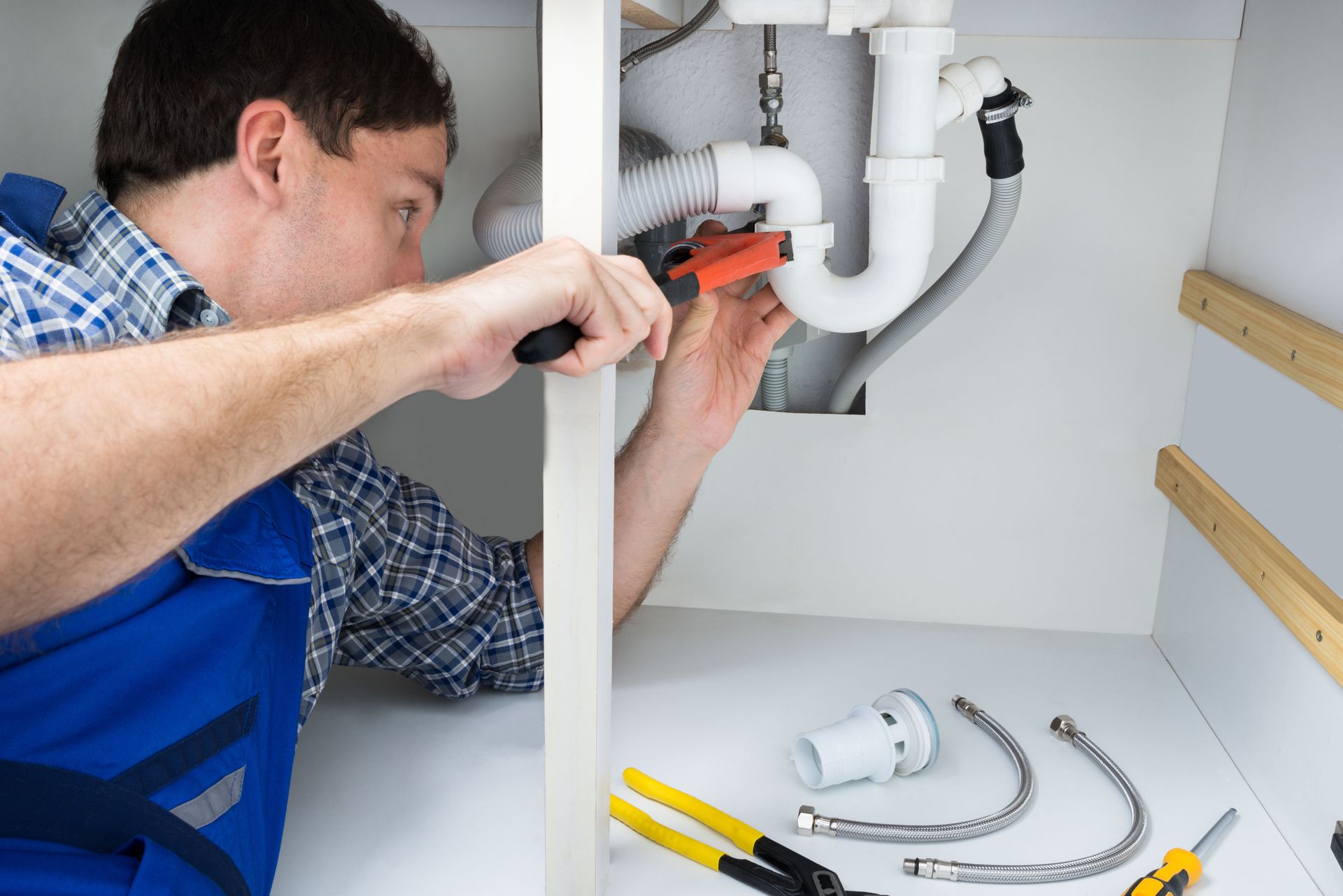
Plumbers are vital contributors to our communities, playing an essential role in maintaining the infrastructure that supports our daily lives. A local plumber helps protect safe water access, efficient sanitation systems, and effective wastewater management for nearby homes and businesses. Without skilled plumbing work, basic health standards and the smooth functioning of society would be compromised, highlighting the important nature of this profession.
The Importance of Plumbing in Daily Life
Access to Safe Drinking Water
Access to safe drinking water is one of the most important benefits provided by professional plumbing services. A local plumber installs and maintains systems that keep water clean, safe, and ready for daily use. By using advanced filtration systems and regularly inspecting pipelines, plumbers help prevent contamination that can lead to serious health risks. Their work in maintaining municipal water supply systems plays a critical part in public health. The steady supply of potable water to homes and businesses results from careful plumbing work.
Supporting Sanitation and Public Health
Plumbers are pivotal in supporting effective sanitation, which is fundamental to public health. A local plumber installs and maintains sewer systems that remove wastewater and prevent it from contaminating the environment. Proper sanitation infrastructure reduces the spread of disease and protects waterways from pollution. Because of this work, communities can avoid health crises linked to poor sanitation. The sanitation systems plumbers manage allow waste to be safely removed and treated, preserving the health of the population.
Facilitating Efficient Water Use
Efficient water use is essential for sustainability, and plumbers are at the forefront of these efforts. They install water-efficient fixtures that help reduce water consumption and waste in homes and businesses. By recommending low-flow faucets, toilets, and showerheads, plumbers support the conservation of this vital resource. They also play a significant role in designing systems that reduce water usage while maintaining proper function. Efficient water management is crucial to meeting the growing demands placed on global water supplies.
Preventing Water Contamination
Plumbers are critical in the prevention of water contamination, which can have serious effects on public health. Leaks and cross-connections in plumbing systems may introduce harmful contaminants into the water supply. Calling a local plumber for inspections and repairs can help identify these issues before they worsen. With approximately 132,000 plumbing businesses in the U.S., according to Workyard, these professionals play an extensive role in upholding health and safety standards. Their dedication protects communities from potential waterborne diseases.
Maintaining Community Hygiene
Community hygiene is sustained through effective plumbing practices, including waste removal and wastewater management. Plumbers design and install sewer systems that transport waste safely away from living areas, reducing the risk of sanitation-related health issues. Without plumbing, waste would accumulate and create serious public health concerns. Regular maintenance performed by plumbers keeps these systems operating properly. Their work is a cornerstone in the ongoing effort to sustain high levels of community hygiene and health.
Plumbing as a Skilled Profession
Training and Certification Requirements
Becoming a plumber involves rigorous training and specific certifications that support high standards of work and safety. A local plumber often completes training programs and apprenticeships to gain hands-on experience. This structured learning process includes both theoretical and practical knowledge, which is vital for handling real-world plumbing tasks. Certification validates a plumber's skills and may require exams, state licensing, and adherence to building codes. These credentials highlight a plumber's ability to perform tasks efficiently and safely.
The Range of Technical Skills Involved
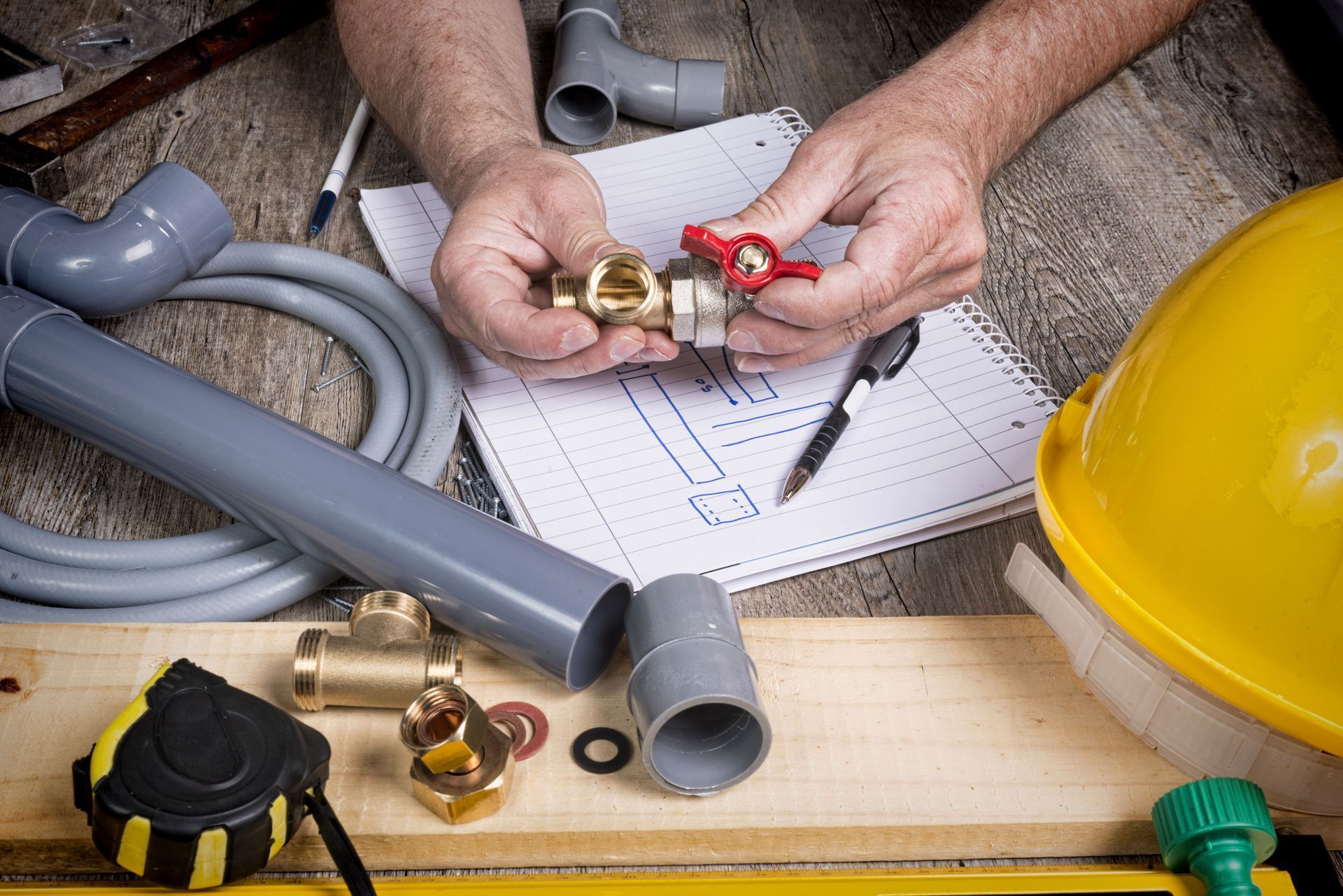
The plumbing profession includes a wide range of technical skills acquired through training and experience. Plumbers must understand system designs, interpret blueprints, and apply advanced techniques for installations and repairs. Their skill set includes pipe fitting, leak detection, fixture installation, and the use of specialized tools and equipment. Plumbers may also collaborate with other construction professionals, which requires strong communication and coordination. Mastery of these technical skills reflects the training required in the field.
Problem-Solving Capabilities
Problem-solving is a fundamental part of plumbing because a wide variety of issues can arise during service calls. Each job can present unique challenges, whether it involves diagnosing leaks, repairing damaged pipes, or addressing system inefficiencies. Plumbers need a sharp analytical mindset to identify problems and develop practical solutions quickly. They must also adapt to unexpected conditions and reduce disruption to plumbing systems. This problem-solving ability allows plumbers to address customer concerns effectively.
Adapting to Technological Advances
The plumbing industry continues to evolve with technological advances that improve efficiency and functionality. Plumbers must stay current with new tools, smart plumbing systems, and modern diagnostic equipment. They also need to be familiar with sustainable practices, such as installing environmentally friendly systems. Embracing these innovations allows plumbers to provide modern solutions that benefit clients and the environment. Their willingness to adapt keeps them prepared to offer current plumbing services.
The Licensing and Regulation of Plumbers
Licensing and regulation are integral to the competency and reliability of plumbers. Regulatory bodies set standards that plumbers must follow, typically involving licensing exams and adherence to building codes. Compliance with these regulations is crucial for quality workmanship and consumer protection. Once these criteria are met, plumbers are certified to operate within legal and safety requirements. The regulation of plumbers also improves accountability across the profession.
Emergency Services and Crisis Management
Responding to Burst Pipes and Leaks
Burst pipes and leaks are common emergencies that require immediate attention from skilled plumbers. When a pipe bursts, a local plumber can respond quickly to reduce water damage and restore the system. These incidents can disrupt essential services, making prompt repair and mitigation important. Plumbers use specialized tools to identify and fix problems quickly. Their ability to address emergencies helps prevent further damage and reduce related costs.
Managing Sewer Backups and Blockages
Sewer backups and blockages can create environmental and health hazards if they are not addressed quickly. A local plumber can clear obstructions and restore proper sewage system operation. Using equipment such as augers and hydro jets, plumbers remove debris that may cause blockages and backups. Timely intervention prevents waste from overflowing into homes and public areas. This service supports the continued safety and function of community sanitation systems.
Tackling Water Heater Failures
Water heater failures can severely disrupt daily routines, making the role of plumbers especially important. A local plumber can diagnose issues, replace malfunctioning parts, and restore access to hot water. Whether the issue involves electrical components, tank leaks, pressure problems, or sediment buildup, plumbers are trained to manage a wide range of water heater concerns. Their work restores comfort while improving energy efficiency and appliance longevity. Quick response to these failures reduces inconvenience for households and businesses.
Handling Gas Line Issues
Gas line issues pose significant risks, including potential explosions and health hazards from gas leaks. Plumbers have the training to safely install, maintain, and repair gas lines while following safety standards. They conduct thorough inspections to detect leaks, weak spots, or damaged connections. This specialized skill set is crucial for preventing dangerous incidents and maintaining the integrity of gas systems. By addressing these concerns, plumbers play an important role in safeguarding communities.
The role of plumbers is multifaceted, extending from maintaining infrastructure to promoting public health and environmental sustainability. Their work supports access to clean water, efficient sanitation, and reduced water and energy consumption. By choosing a local plumber, homeowners and businesses can receive timely service while supporting the economy.
Plumbers also contribute to community education, property protection, and long-term infrastructure stability. As important pillars of modern society, plumbers remain integral to the ongoing health, economic strength, and sustainability of communities. Reach out to us today to learn more from H. R. Stewart Inc.