3 Reasons DIY HVAC Fixes Could Cost You More Long-Term
In an era where DIY solutions are more popular than ever, the temptation to fix issues around the house without professional assistance is strong. While this approach can save money in some areas, your heating and cooling system is a different story. Modern HVAC equipment is complex, valuable, and essential for everyday comfort. When repairs go wrong, the long-term costs can far exceed what you would have paid trusted local HVAC contractors from the start. This article explores key reasons why tackling HVAC issues on your own can become a costly mistake over time.
1. Complexity of HVAC Systems
1.1 Advanced Technology in Modern Systems
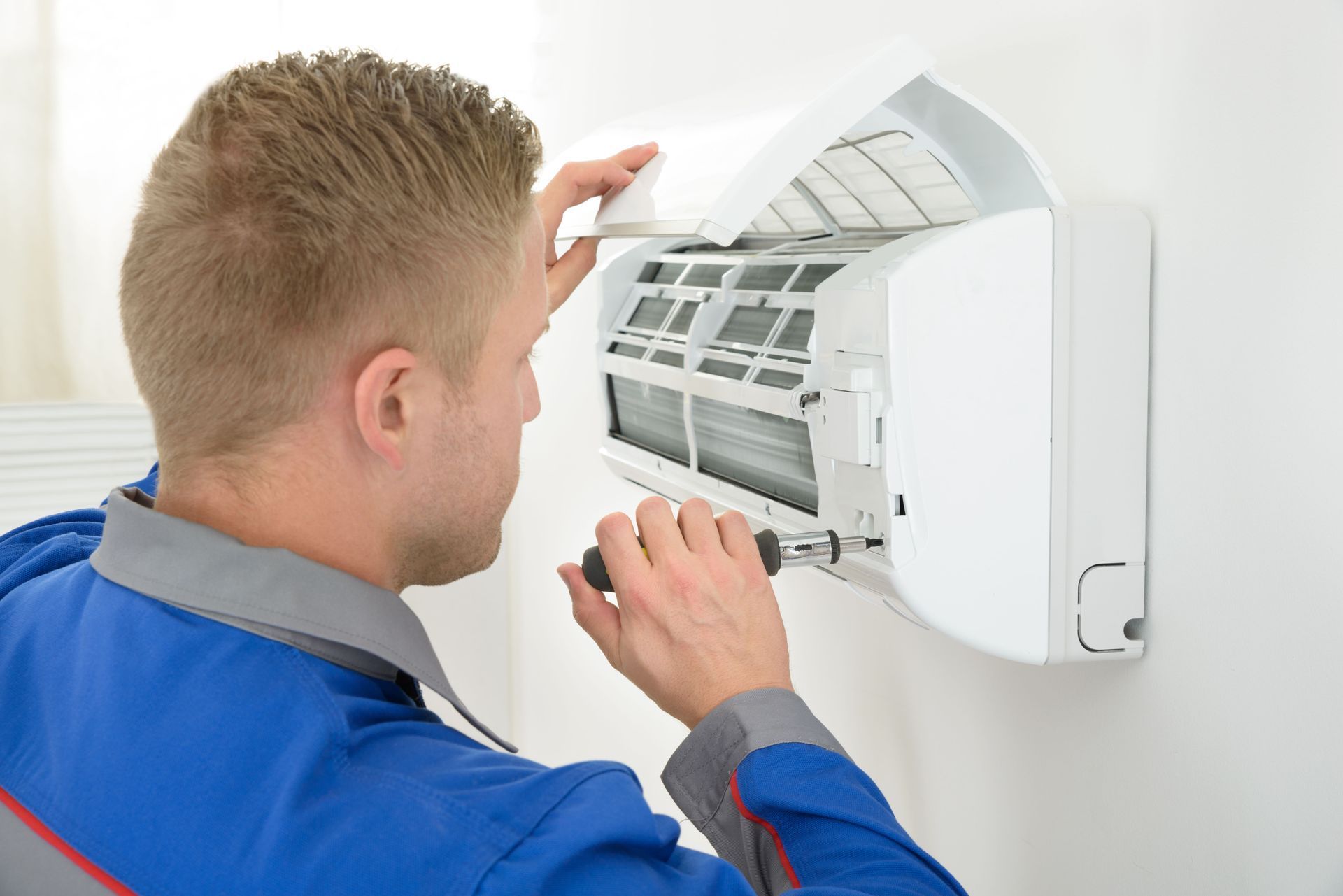
Modern HVAC systems have evolved significantly, incorporating advanced controls, smart thermostats, variable-speed motors, and Wi-Fi connectivity. These features improve efficiency and comfort but also add layers of complexity. Diagnosing and repairing these components requires specialized training and up-to-date knowledge. Without that background, DIY fixes can lead to accidental damage, corrupted settings, or failed circuit boards. In many cases, it’s far more cost-effective to let local HVAC contractors who work with these technologies every day handle troubleshooting and repairs.
1.2 Interconnected Components and Their Impact
HVAC systems operate as networks of interconnected components: the thermostat, blower, compressor, coils, ductwork, and safety controls all depend on one another. A problem that appears to be a simple thermostat issue might actually be caused by airflow restrictions, refrigerant charge problems, or failing electrical components. DIY repairs often focus on what’s most visible rather than the true source of the problem. Professionals are trained to see how each subsystem affects the others, allowing them to correct root causes rather than just symptoms.
1.3 Misdiagnosis of Technical Problems
Effective repair starts with an accurate diagnosis. Homeowners who rely on guesswork, online videos, or trial-and-error often misidentify the cause of poor performance, strange noises, or short cycling. Replacing the wrong part or adjusting the wrong setting can make problems worse, waste money, and create new faults. Experienced local HVAC contractors use specialized diagnostic tools, reference manufacturer data, and apply years of field experience to pinpoint the actual issue. That precision helps prevent repeat breakdowns and protects the overall system.
1.4 Importance of Specialized Tools and Equipment
Repairing HVAC systems safely and accurately requires tools most homeowners don’t own, such as manometers, refrigerant gauges, leak detectors, combustion analyzers, and electrical meters designed for high-voltage work. Attempting to improvise or use generic tools can lead to incorrect readings and poor decisions. Purchasing professional-grade equipment for occasional DIY use is expensive, and using inadequate tools risks damaging components. Calling local HVAC contractors who already have the right equipment often proves more economical and reliable.
1.5 Hidden Dangers in DIY Repairs
The complexity of HVAC systems obscures many hidden hazards. It’s easy to damage delicate control boards, bend coil fins, pinch wiring, or disturb safety sensors while trying to reach a single component. Small mistakes can result in intermittent failures that are harder and more expensive to diagnose later. Professional technicians understand how to access and service components without creating new issues, preserving the integrity of the entire system.
2. Risk of Voiding Warranties
2.1 Understanding Warranty Terms and Conditions
HVAC systems often come with valuable warranties that help protect homeowners from unexpected repair or replacement costs. However, those warranties usually require that installation, maintenance, and repairs be performed by licensed or certified professionals. When homeowners attempt DIY fixes, they may unknowingly violate these terms. Once a warranty is voided, any major failure that occurs later becomes entirely the homeowner’s financial responsibility.
2.2 Common DIY Mistakes that Void Warranties
Seemingly minor decisions can have major consequences for warranty coverage. Using off-brand or incompatible parts, modifying wiring, bypassing safety switches, or altering refrigerant lines can all be considered unauthorized changes. Manufacturers can deny future claims if they see signs of such work. Local HVAC contractors understand manufacturer requirements and use approved components and procedures, preserving coverage while still addressing the issue effectively.
2.3 Manufacturer-Specific Repair Protocols
Each HVAC brand and model has specific repair guidelines, torque specifications, charging procedures, and safety checks. DIY efforts rarely follow these detailed instructions because homeowners typically don’t have access to full technical documentation or training. By contrast, many local HVAC contractors receive brand-specific education, know these protocols well, and follow them carefully during every repair.
2.4 The Cost of Replacement versus Repair
The financial implications of voiding an HVAC warranty can be severe. According to Fixr, HVAC units typically last between 10 and 20 years, depending on the system type, how well they’re maintained, and the local climate. When a major component such as a compressor, heat exchanger, or coil fails outside of warranty coverage, replacement may cost thousands of dollars. Preserving warranties through professional service helps homeowners avoid premature system replacement and maximize the return on their investment.
2.5 Warranty Repairs by Certified Technicians
Certified technicians know how to complete repairs in ways that align with warranty requirements and local codes. Their work is often backed by labor guarantees in addition to manufacturer warranties. Partnering with local HVAC contractors for maintenance and repair keeps warranty eligibility intact and provides homeowners peace of mind that their system is being cared for correctly.
3. Safety Concerns with DIY HVAC Work
3.1 Electrical Hazards Associated with HVAC Repair
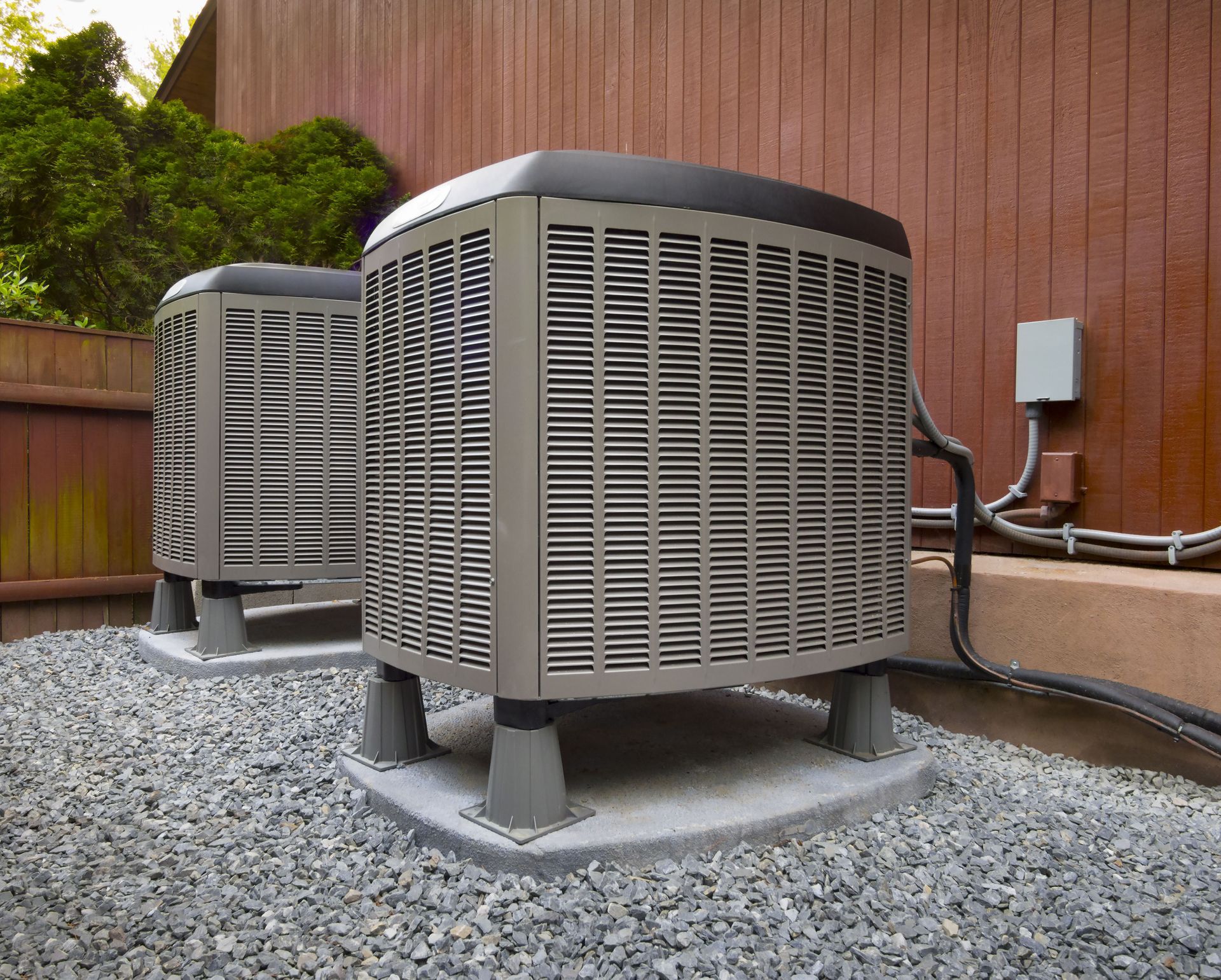
HVAC systems involve high-voltage power, control circuits, and sensitive electronics. Working inside a live air handler or condenser without proper training exposes homeowners to shock, burns, and electrical fires. Incorrect wiring can create lingering safety hazards. Professional technicians are trained in electrical safety and know how to troubleshoot safely. Hiring local HVAC contractors greatly reduces the risk of injuries and property damage.
3.2 Handling of Refrigerants and Regulations
Refrigerants are essential for cooling but must be handled with care due to environmental regulations and health risks. Venting refrigerant is illegal and harmful, and improper charging can damage the compressor. Professionals hold the certifications required to recover, recycle, and charge refrigerants properly. Their training protects homeowners, the system, and the environment.
3.3 Potential Gas Leaks and Risks
Gas furnaces and other fuel-burning appliances pose serious risks if not serviced correctly. Loose fittings, poor combustion, or damaged gas lines can lead to leaks or carbon monoxide exposure. Professionals use proper testing tools to detect and correct these conditions. Trusting locally trained HVAC contractors with gas work is far safer than DIY attempts.
3.4 Proper Ventilation and Indoor Air Quality
Your HVAC system influences air quality throughout the home. Poorly executed DIY work can restrict airflow, damage ductwork, or reduce filtration. Professionals examine ventilation systems to ensure proper airflow and identify factors contributing to poor indoor air quality. Their expertise helps maintain a healthier living environment.
3.5 Unforeseen Accidents and Injuries
DIY work may involve ladders, sharp sheet metal, cramped spaces, and heavy equipment. Without proper safety training, injuries become more likely. Professionals use appropriate gear and understand safe movement through attics, crawl spaces, and outdoor units. Hiring local HVAC contractors prevents accidents and keeps homeowners out of dangerous situations.
While DIY HVAC repairs may appear to save money upfront, they often bring significant risks: voided warranties, safety hazards, higher energy bills, and shortened equipment life. The technical complexity of modern systems and the potential consequences of mistakes mean that even well-intentioned efforts can lead to costly outcomes. Partnering with qualified local HVAC contractors protects your investment, improves home comfort, and supports long-term system reliability. Reach out to H. R. Stewart Inc today to learn more.


Share On: